
Interview with Dr Faith Kabata
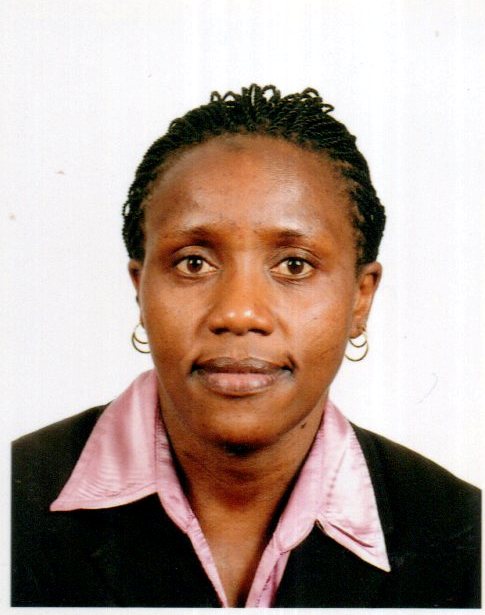
The start and planning of the SERENE project has been greatly affected by the outbreak of the COVID-19 pandemic. We have had to postpone the first project workshop, that was supposed to take place in May 2020, and we don’t know when we will be able to reschedule it. An important part of the first workshop was for project partners to meet, get to know each other, and learn about each other’s work. As an alternative way to address that aim, we have planned a series of short interviews. This is the seventh interview, with Dr Faith Kabata from Kenyatta University School of Law.
Can you please briefly introduce yourself and your work?
My name is Faith Kabata, a lecturer at Kenyatta University School of Law. I hold a Doctorate in Law from the University of Pretoria and a Master of Laws from the University of Notre Dame in USA and Bachelor of Laws from the University of Nairobi. My main areas of research interest are international human rights law, public international law and human rights law. I teach undergraduate courses in international human rights law, Kenya human rights law, public international law and the law of international organisations. Kenyatta University is a public university located in Nairobi, Kenya.
How do your work and interests relate do the focus of SERENE on engaging religious leaders on issues of LGBTI inclusion in East Africa?
I first got interested in the intersection of religion, law and human rights during Kenya’s constitution review process in 2009. At the time there was heated debate on the one side, between Christians and Muslims and on the other hand, a more fierce debate jointly by Christians and Muslims against what was alleged to have been protection of LGBTI rights in the draft Constitution. These allegations that the draft Constitution protected the rights of LGBTI partly contributed to the 33% vote against the draft in the 2010 national referendum.
Since the promulgation of the Constitution, 2010, I have had opportunity to engage religious leaders, mainly through invitation to churches to speak about human rights, religion and the rights of sexual minorities.
I have in the past conducted research on religion and international human rights law, particularly on the contentious issue of LGBTI people. Currently, I am revisiting the archival documents of the constitutional making process to find out the fears expressed by religious leaders on constitutional protection of LGBTI rights and the strategies employed by religious leaders at the time to influence the draft provisions of the Constitution and what avenues of engagement with religious leaders exist in view of recurring opposition by religious groups in constitutional petitions on the rights of LGBT in Kenya.
How have you and your organisation been affected by the COVID-19 outbreak, and how do you try to continue your work?
Akin to all learning institutions in Kenya, the School of Law has been closed since mid-March 2020. The School has adopted online and distance learning to continue engaging students and online meetings to continue conducting other business.
What do you hope to get out of the SERENE project, once this pandemic is over?
Once the pandemic is over, I hope that out of the SERENE project I will be able to expand my research in the area of LGBTI rights and religion and also acquire new insights through interactions with scholars from other disciplines, including religious leaders. I also hope to make a valuable contribution to the overall success of the project.